

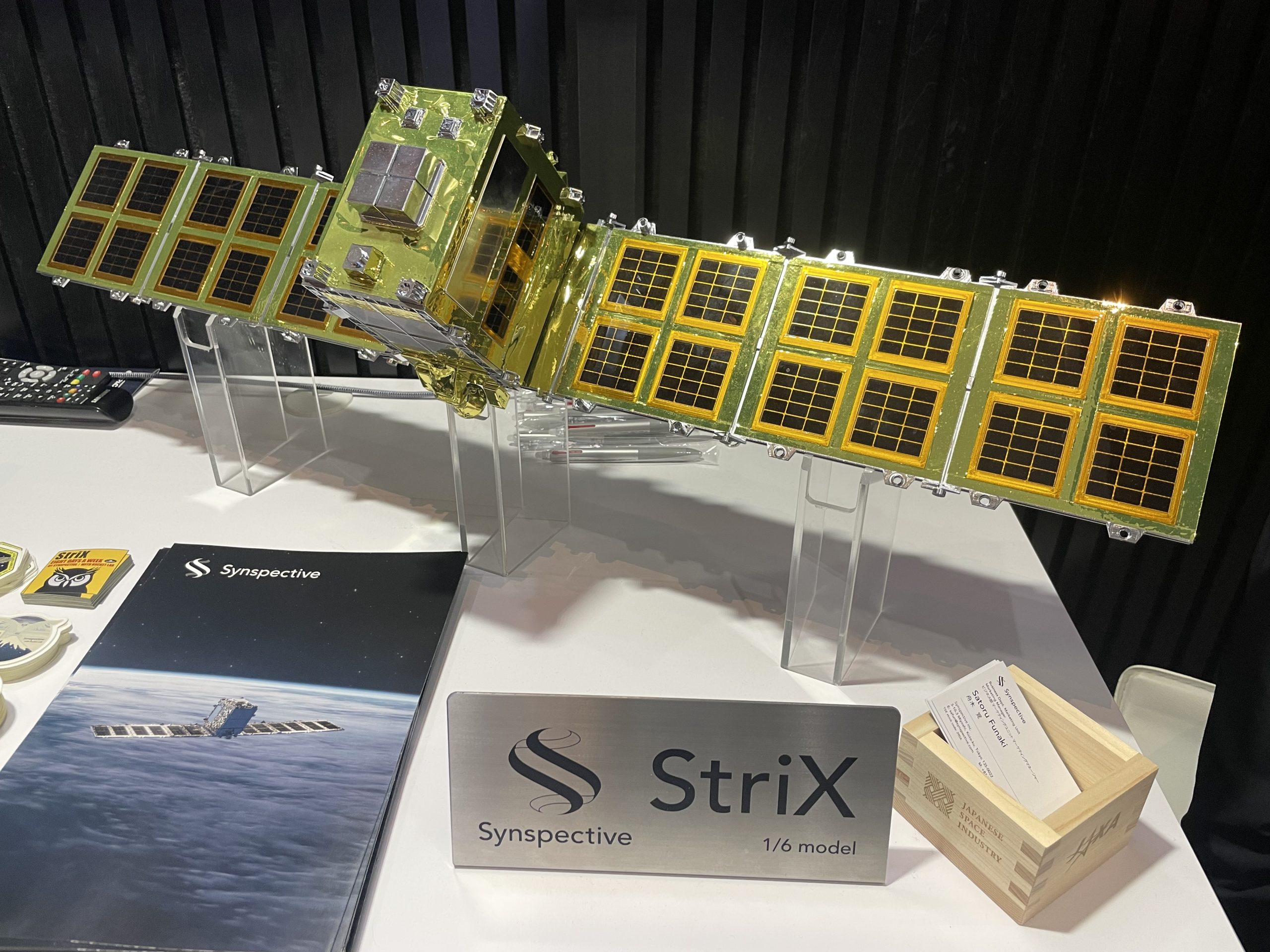
Synspective Strix Satellite is making headlines as Rocket Lab prepares for its launch, enhancing Japan’s radar capabilities significantly. This new satellite promises to deliver advanced data for various applications.
Overview of Synspective Strix Satellite
The Synspective Strix Satellite represents a significant advancement in radar technology for Japan, enhancing the country’s ability to monitor and respond to various environmental challenges. Developed by Synspective, this innovative satellite is designed to provide high-resolution radar imaging, which is crucial for urban planning, disaster response, and infrastructure management.
Key features of the Synspective Strix Satellite include:
- High-Resolution Imaging: The satellite captures detailed images, allowing for precise analysis of land use and changes over time.
- Real-Time Data Processing: With advanced processing capabilities, the satellite can deliver timely information to support decision-making in critical situations.
- Versatile Applications: The data generated can aid in various sectors including agriculture, urban development, and disaster risk management.
This launch, facilitated by Rocket Lab, marks a pivotal moment for Japan’s growing radar network, ensuring that the country is equipped with the necessary tools for monitoring and managing its environment effectively.
Importance of Radar Technology in Japan
Radar technology plays a crucial role in Japan’s efforts to enhance its disaster management, urban planning, and environmental monitoring capabilities. As a country vulnerable to natural disasters such as earthquakes and tsunamis, Japan relies on advanced radar systems for timely and accurate data collection.
The integration of the Synspective Strix Satellite into Japan’s radar network signifies a significant step forward in this domain. With its advanced capabilities, the Strix satellite is designed to provide high-resolution imagery and precise measurements, which are essential for assessing changes in the landscape and infrastructure.
Moreover, radar technology is pivotal for urban planning, allowing city planners to analyze land use and monitor the growth of urban areas. By utilizing data from satellites like the Synspective Strix, officials can make informed decisions that enhance infrastructure development and sustainability.
Additionally, environmental monitoring is increasingly important in the context of climate change. The real-time data gathered through radar systems can help track environmental changes, enabling swift responses to ecological threats.
In summary, the significance of radar technology in Japan cannot be overstated, especially with the advent of innovative solutions like the Synspective Strix Satellite.
Rocket Lab’s Launch Plans
Rocket Lab has announced its plans to launch the new Synspective Strix Satellite, marking a significant step forward in Japan’s radar capabilities. Scheduled for later this year, the launch aims to enhance the existing radar network that plays a crucial role in monitoring various environmental and urban changes across the country.
The partnership between Rocket Lab and Synspective highlights a commitment to advancing satellite technology, ensuring that Japan remains at the forefront of radar innovation. The Synspective Strix Satellite will provide high-resolution imagery, allowing for more accurate data collection and analysis.
Key details regarding Rocket Lab’s launch plans include:
- Launch Vehicle: Electron rocket, known for its reliability and cost-effectiveness.
- Launch Site: Rocket Lab’s facility in New Zealand, selected for its optimal launch trajectory.
- Mission Objectives: To deploy the Synspective Strix Satellite into a low Earth orbit to maximize its coverage and data collection capabilities.
As Japan faces increasing challenges related to urbanization and climate change, this launch represents a pivotal moment in the evolution of its radar technology.
Benefits of Enhanced Radar Networks
The Synspective Strix Satellite offers a multitude of benefits that significantly enhance Japan’s radar network capabilities. With advanced radar technology, this satellite is designed to provide precise and timely data, crucial for various applications.
One of the primary advantages is its ability to monitor environmental changes effectively. This is particularly vital for disaster management and urban planning. The satellite can detect ground movements, landslides, and other geological shifts, allowing for proactive measures to be taken.
Moreover, the Synspective Strix Satellite contributes to improved agricultural monitoring. Farmers can receive real-time data on soil conditions and crop health, enabling them to make informed decisions that optimize yield.
Additionally, the satellite enhances infrastructure monitoring. It can assess the structural integrity of bridges and buildings, ensuring safety and longevity. This capability is essential for Japan, a country prone to earthquakes.
Lastly, the integration of the Strix Satellite into existing radar networks will bolster surveillance and security measures, providing a comprehensive overview of national safety. Overall, the Synspective Strix Satellite stands as a smart choice for Japan’s evolving radar needs.
Future of Satellite Technology in Space
The future of satellite technology is poised for remarkable advancements, particularly with the introduction of the Synspective Strix Satellite. As nations invest in more sophisticated radar systems, this satellite represents a significant leap in capability and efficiency. By integrating cutting-edge technology, the Strix Satellite aims to enhance data collection and analysis, paving the way for smarter urban planning and disaster management in Japan.
As satellite technology evolves, several trends are emerging that will likely shape the landscape:
- Increased Miniaturization: Smaller satellites are becoming more powerful, allowing for more frequent launches and lower costs.
- Enhanced Data Analytics: The integration of AI and machine learning will improve the processing of radar data, making it more actionable.
- Collaborative Networks: The formation of partnerships between countries and private companies will enhance global radar capabilities.
- Sustainability Initiatives: New technologies aim to reduce the environmental impact of satellite launches and operations.
With the Synspective Strix Satellite at the forefront, Japan is set to lead the way in innovative radar technology, ensuring a safer and more informed future.
By Blervis via Openverse
References
You might also like
Bet365 Jackpot365 Update: Best Visual Identity Change Yet · Are Memorial Space Flights the Best Way to Honor Loved Ones? · Redmi K100 Ultra camera upgrades: Major improvements expected
