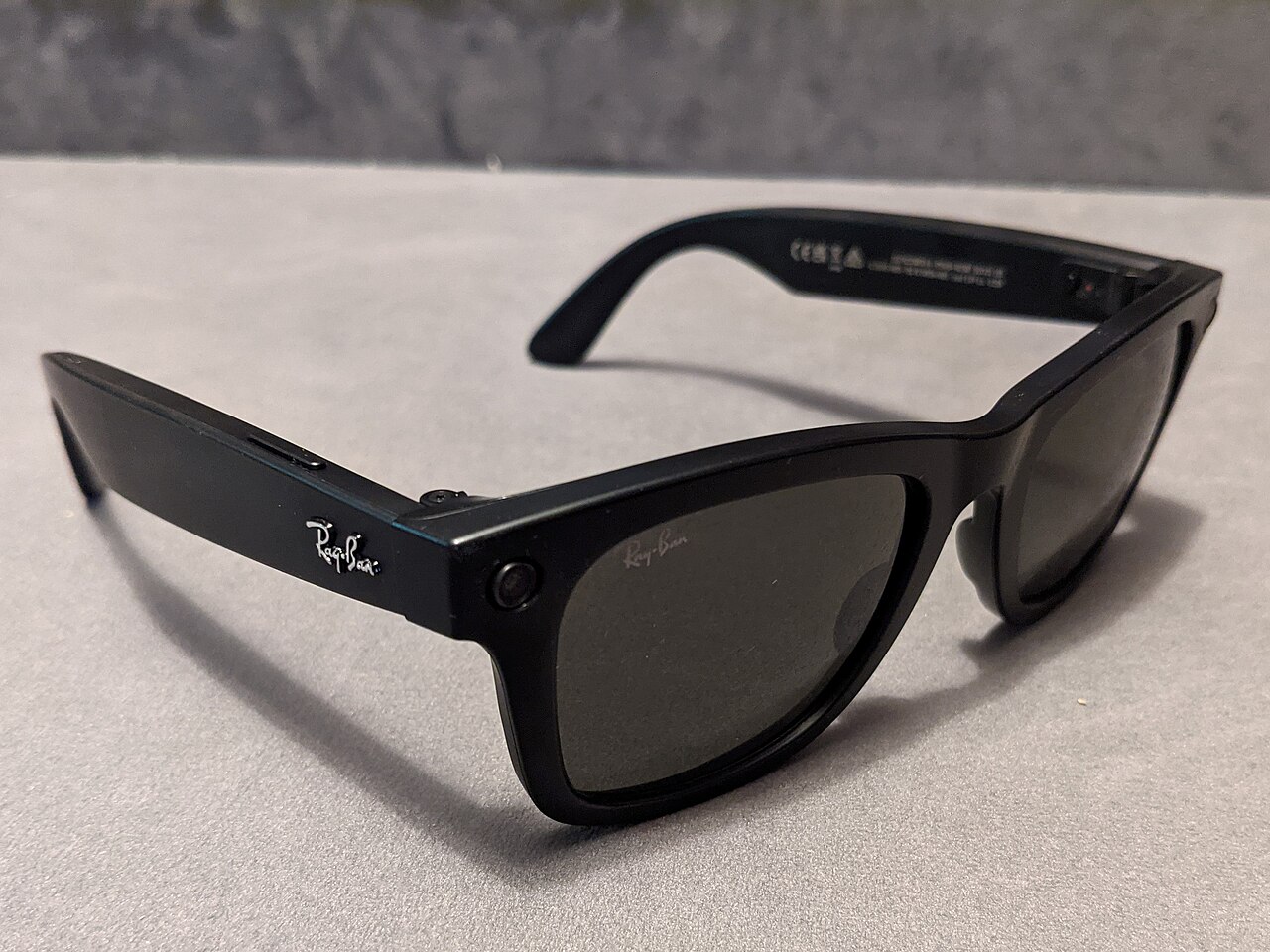
Ray-Ban Meta smart glasses have come under scrutiny after reports revealed they can record audio without wearers’ consent. This alarming discovery has sparked a debate about privacy and technology.
What Are Ray-Ban Meta Smart Glasses?
Ray-Ban Meta smart glasses are a blend of stylish eyewear and cutting-edge technology, designed to provide users with an augmented reality experience. These glasses allow wearers to capture photos and videos, listen to music, and even make calls, all while maintaining the iconic Ray-Ban aesthetic.
Equipped with built-in cameras and speakers, the Ray-Ban Meta smart glasses aim to enhance everyday activities. Users can easily take snapshots or record short videos with just a tap, making them a convenient accessory for those who enjoy documenting their lives on-the-go.
However, recent reports have raised concerns about privacy issues associated with these smart glasses. Users have discovered that the devices can inadvertently record audio without their knowledge or consent. This revelation has prompted discussions about the ethical implications of wearable technology and the need for clearer guidelines regarding user privacy.
As smart glasses become increasingly popular, it is essential for manufacturers like Ray-Ban to address these concerns and ensure that their products align with user expectations and legal standards. The Ray-Ban Meta smart glasses represent a significant step forward in wearable tech, but the fallout from audio recording issues highlights the importance of responsible innovation.
- Stylish design
- Built-in camera and speakers
- Convenient for capturing moments
- Privacy concerns regarding audio recording
How Do They Record Audio?
The Ray-Ban Meta smart glasses are equipped with advanced audio recording technology designed for convenience and hands-free operation. However, concerns have emerged regarding how these glasses manage to record audio and the implications for user privacy.
The audio recording capability is activated through built-in microphones, which allow wearers to capture sound while on the go. Here’s how the process typically works:
- Microphone Activation: The microphones can be triggered by voice commands or through the associated app, making it easy for users to start recording with minimal effort.
- Audio Processing: Once activated, the glasses process the captured audio, which can then be stored temporarily on the device or sent to cloud storage for further use.
- User Control: Ideally, users should have control over when audio is recorded. However, reports indicate that the Ray-Ban Meta smart glasses may record without explicit consent, raising significant privacy issues.
As technology becomes more integrated into daily life, the balance between functionality and privacy becomes increasingly critical. The recent revelations about the Ray-Ban Meta smart glasses’ audio recording capabilities highlight the need for clearer guidelines and features that prioritize user consent and awareness.
Privacy Concerns with Audio Recording
The recent revelation regarding the Ray-Ban Meta smart glasses has raised significant privacy concerns among users and privacy advocates alike. The glasses, which integrate advanced audio recording capabilities, have been found to record sound without the wearers’ consent, leading to fears about unwanted surveillance.
This issue has sparked widespread criticism, prompting discussions about the ethical implications of such technology. Many users were under the impression that the audio recording feature was only activated when explicitly intended, but reports indicate that the glasses can capture audio at unexpected times.
To better understand these concerns, here are some key points:
- Lack of Transparency: Users may not be aware that the device can record audio without their knowledge.
- Potential for Misuse: The unintentional recording could lead to sensitive conversations being captured and stored.
- Impact on Trust: This incident could damage the brand’s reputation and user trust in wearable technologies.
- Regulatory Implications: The situation may prompt calls for stricter regulations governing audio recording in consumer electronics.
As discussions continue, it remains crucial for manufacturers to address these privacy concerns and enhance user control over their devices. The evolving landscape of smart technology necessitates a balance between innovation and ethical considerations.
User Reactions to the Discovery
User reactions to the recent revelation about the Ray-Ban Meta smart glasses have been mixed, with many expressing concerns over privacy violations. The discovery that these smart glasses can record audio without the wearer’s consent has sparked a significant discussion on social media platforms.
Many users took to Twitter and Facebook to share their thoughts:
- “I can’t believe I bought these thinking they were just a fun gadget. Now I feel like I’m being spied on!”
- “This is a huge breach of trust. I expected better from a brand like Ray-Ban.”
- “I love the design, but this audio issue is a dealbreaker for me. I’ll be returning mine.”
In contrast, some users defended the technology, arguing:
- “It’s just a feature that needs to be better communicated. I’m sure it can be useful in the right context.”
- “People need to understand how to use these devices responsibly. It’s not the glasses’ fault if users don’t read the instructions.”
As the debate continues, many potential buyers are now reconsidering their decision to purchase the Ray-Ban Meta smart glasses, as privacy concerns take precedence over innovative features.
What This Means for Wearable Technology
The revelation that Ray-Ban Meta smart glasses may record audio without the wearer’s consent raises significant concerns for the future of wearable technology. As the boundaries between convenience and privacy blur, this incident highlights the urgent need for stricter regulations and ethical guidelines governing the use of such devices.
Wearable technology has rapidly evolved, offering users innovative features that enhance daily life. However, issues like the one faced by Ray-Ban Meta smart glasses can undermine consumer trust. Users expect transparency regarding the capabilities of their devices, especially when it comes to sensitive features like audio recording.
Moreover, this situation could set a precedent for how manufacturers approach user consent and privacy protections in future products. If companies do not prioritize ethical practices, they risk alienating their customer base and facing potential legal repercussions.
As a result, consumers may become more cautious about adopting new technologies, fearing hidden functionalities that compromise their privacy. This skepticism could hinder the growth of the wearable tech market, which relies heavily on user acceptance and trust.
The incident serves as a wake-up call for both manufacturers and consumers. It emphasizes the importance of clear communication about product capabilities while also encouraging users to stay informed and vigilant about the devices they choose to integrate into their lives.
Future of Smart Glasses and Privacy
The emergence of the Ray-Ban Meta smart glasses has sparked a significant dialogue regarding the future of smart glasses and their implications for privacy. As technology continues to evolve, the integration of audio recording capabilities into everyday wearables raises critical questions about user consent and data security.
Smart glasses are designed to enhance the user experience by providing hands-free access to information and communication. However, the recent discovery that these devices can record audio without the wearer’s explicit consent has highlighted serious privacy concerns. Users expect transparency and control over their personal data, and incidents like this may deter consumers from adopting such technology.
As manufacturers strive to innovate, it is essential to prioritize ethical standards and user privacy. The following aspects must be considered:
- Informed Consent: Users should be clearly informed about when and how their data is being collected.
- Data Security: Robust measures must be implemented to protect recorded audio from unauthorized access.
- Transparency: Companies should openly communicate privacy policies and any changes regarding data handling.
Ultimately, the fate of smart glasses like the Ray-Ban Meta will depend on how effectively these concerns are addressed. Failure to do so could lead to a backlash against wearable technology and a push for stricter regulations.
via Wikimedia Commons