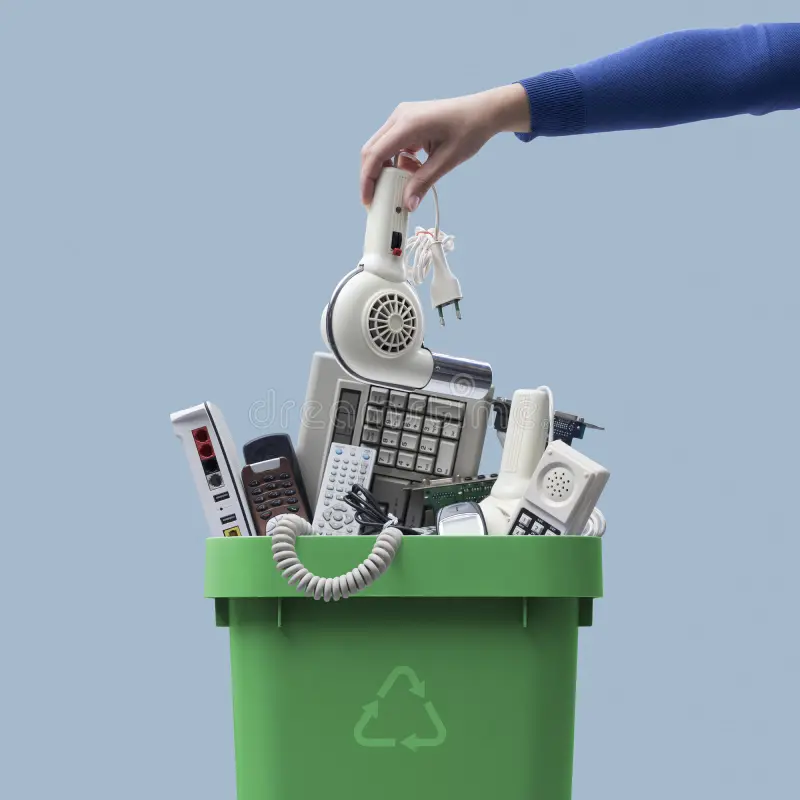
Every year, millions of electronic devices reach the end of their useful life, creating a growing waste challenge across the world. From outdated smartphones and damaged laptops to old televisions, servers, and household appliances, discarded electronics are becoming one of the fastest-growing waste streams.
Improper disposal of electronic trash can create serious environmental and health concerns because these devices contain a combination of valuable materials and potentially hazardous substances. Understanding how electronic waste affects ecosystems and human well-being is essential for building a cleaner and more sustainable future.
Why Electronic Waste Is Becoming a Global Concern
Technology has transformed modern life, but rapid innovation has also shortened the lifespan of many electronic products. Consumers and businesses frequently upgrade devices to access better features, improved performance, or newer technology. As a result, large volumes of outdated equipment are discarded even when some components could still be reused, refurbished, or recycled.
Electronic waste, commonly known as e-waste, includes discarded electrical and electronic equipment such as computers, mobile phones, printers, batteries, and industrial electronics. Unlike ordinary household waste, electronic products contain a complex mixture of materials, including metals, plastics, glass, and chemical compounds.
The challenge is not only the increasing quantity of waste but also the difficulty of managing it properly. When electronics are sent to traditional landfills or handled through informal recycling methods, harmful substances can enter the environment and create long-term consequences.
How Electronic Waste Damages the Environment
Electronic devices are designed with several components that require different materials for manufacturing. Some of these materials can become harmful when they are not managed through responsible recycling processes.
Soil and Water Contamination
Many electronic products contain substances such as lead, mercury, cadmium, and certain flame-retardant chemicals. When discarded electronics break down in landfills, these toxic elements can leak into the surrounding soil and groundwater. This contamination can affect agricultural land, reduce soil quality, and impact plant growth. Polluted groundwater can also create risks for communities that depend on local water sources for drinking and farming.
Increased Carbon Footprint
Manufacturing new electronic devices requires significant amounts of energy and raw materials. Valuable resources such as copper, aluminium, gold, and rare earth metals must be extracted through mining activities, which contribute to greenhouse gas emissions.
Proper recycling helps recover these materials and reduces the need for continuous mining. By extending the life cycle of existing resources, electronic recycling supports a circular economy where materials are reused rather than wasted.
Harm to Wildlife and Ecosystems
Pollutants released from improperly managed electronics do not remain limited to one location. Toxic chemicals can move through ecosystems, affecting insects, animals, and aquatic life.
For example, heavy metals entering water systems can accumulate in marine organisms and move through the food chain. Over time, this can disturb natural ecosystems and reduce biodiversity.
Health Risks Associated with Improper Electronic Waste Disposal
The environmental impact of e-waste is closely connected to human health. People involved in unsafe dismantling or recycling practices may face direct exposure to harmful substances. Workers handling discarded devices without proper safety equipment can inhale toxic fumes or come into contact with hazardous materials. Long-term exposure may increase the risk of respiratory problems, skin conditions, and other health complications.
Children and vulnerable communities are especially at risk because their bodies are more sensitive to environmental toxins. Exposure to certain heavy metals has been linked with developmental issues, neurological effects, and weakened immune responses. This is why responsible collection, processing, and recycling of electronic waste are critical steps in protecting public health.
The Importance of Responsible Electronic Recycling
Proper recycling is more than simply removing unwanted devices. It involves a structured process where electronics are collected, sorted, dismantled, and processed to recover useful materials safely. Professional recyclers use specialised techniques to separate valuable resources from hazardous components. Metals, plastics, and other materials can often be recovered and reused in manufacturing, reducing environmental pressure. Responsible recycling also prevents electronic waste from entering illegal disposal channels where unsafe practices may be used.
These methods often involve burning cables or breaking devices manually, releasing harmful pollutants into the air. Businesses have an important role to play in this process. Companies regularly replace computers, servers, and other equipment, generating significant volumes of electronic waste. Partnering with certified recycling providers ensures that outdated assets are handled securely while supporting environmental sustainability.
How Businesses and Individuals Can Reduce Electronic Waste
Reducing electronic waste requires conscious decisions from both consumers and organisations. Simple steps can create a meaningful impact:
- Extend device lifespan: Regular maintenance and repairs can keep electronics functional for longer periods.
- Donate usable equipment: Devices that are still operational can support schools, communities, or organisations instead of becoming waste.
- Choose responsible disposal: Old electronics should be given to professional recyclers rather than thrown away with regular garbage.
- Secure data before recycling: Businesses should ensure sensitive information is removed from old devices before disposal.
- Promote sustainable purchasing: Choosing durable products with longer lifespans can reduce future waste generation.
Why Professional Recycling Solutions Matter
Managing electronic waste requires technical expertise, specialised equipment, and proper recycling processes to ensure safe handling. Professional recyclers play an important role in separating valuable materials from hazardous components while ensuring that waste is processed according to environmental guidelines. A reliable recycling approach helps recover useful resources such as metals, plastics, and other materials that can be reused in manufacturing.
It also reduces the chances of harmful substances entering landfills, soil, and water systems. For businesses, working with professional recycling providers supports better waste management practices, improves sustainability efforts, and ensures that outdated electronic equipment is handled responsibly.
Conclusion
The growing volume of electronic waste highlights the need for responsible technology management throughout its lifecycle. Improper disposal can harm ecosystems, waste valuable resources, and create health risks for communities. Sustainable recycling helps recover useful materials, reduce pollution, and support a circular economy. Managing electronic garbage through professional recycling channels is a crucial step toward protecting the environment. Businesses seeking reliable electronic waste management solutions can rely on Planet Green Recycling (L.L.C) for responsible recycling practices. The company helps organisations handle outdated electronics safely while supporting resource recovery, environmental protection, and sustainable waste management goals.