

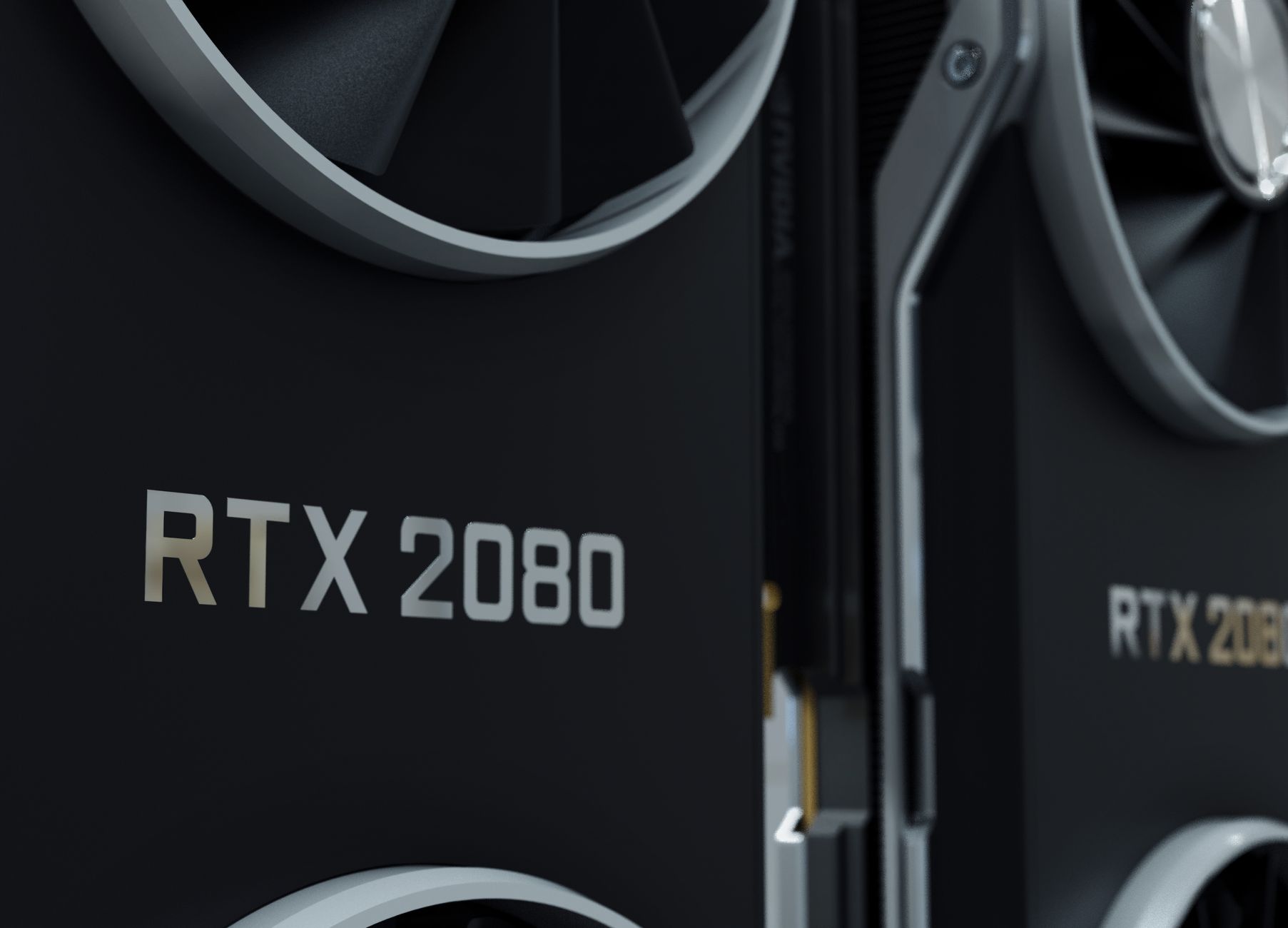
GPU service for open models is now available through India’s Sarvam AI, offering enhanced capabilities for developers and businesses. This new service aims to streamline access to powerful computing resources.
What is Sarvam AI’s new GPU service?
India’s Sarvam AI has recently launched an innovative GPU service for open models, aimed at enhancing the accessibility and efficiency of artificial intelligence development. This new service is designed to provide robust computational power, catering to developers and researchers who require high-performance capabilities for their machine learning and AI projects.
The service offers a range of features that make it attractive to both individual developers and organizations. Key highlights include:
- Scalability: Users can easily scale their GPU resources based on project needs, allowing for flexible usage without the burden of maintaining physical hardware.
- Cost-effectiveness: Sarvam AI’s pricing model is tailored to accommodate various budgets, making advanced GPU capabilities accessible to startups and large enterprises alike.
- Ease of Use: The platform is designed with user-friendliness in mind, enabling even those with limited technical expertise to leverage powerful GPU capabilities seamlessly.
- Support for Open Models: The service specifically focuses on open models, promoting collaboration and innovation within the AI community.
By focusing on these core areas, Sarvam AI’s GPU service for open models positions itself as a competitive option in the rapidly evolving field of AI, empowering users to accelerate their projects and enhance their research outcomes.
Benefits of using GPU service for open models
The launch of Sarvam AI’s GPU service for open models brings several significant benefits that can transform the landscape of machine learning and artificial intelligence. By leveraging high-performance graphics processing units, users can experience enhanced computational power, leading to faster training and inference times.
One of the primary advantages of using a GPU service for open models is efficiency. Unlike traditional CPU processing, GPUs are specifically designed to handle parallel operations, making them ideal for tasks that involve large datasets and complex computations. This can dramatically reduce the time required to develop and deploy machine learning models.
Additionally, the scalability offered by GPU services is another key benefit. Users can easily increase or decrease their computational resources based on project requirements, which is particularly useful for businesses that experience fluctuating demands. This flexibility allows for better cost management and resource allocation.
Moreover, Sarvam AI’s GPU service supports a variety of open models, enabling researchers and developers to experiment with cutting-edge algorithms without the need for significant upfront investment in hardware. This democratizes access to advanced AI capabilities, fostering innovation across various industries.
In summary, the GPU service for open models not only enhances performance and scalability but also promotes a collaborative environment for developers and researchers, paving the way for groundbreaking advancements in artificial intelligence.
How does this impact AI development in India?
The launch of Sarvam AI’s GPU service for open models marks a significant milestone in the realm of artificial intelligence development in India. As the demand for powerful computational resources grows, this service provides an essential infrastructure that can accelerate research and innovation in various AI domains.
One of the most notable impacts of this service is its potential to democratize access to advanced AI tools. With the introduction of the GPU service for open models, startups and educational institutions can leverage cutting-edge technology without the prohibitive costs associated with purchasing and maintaining high-performance computing systems. This accessibility fosters a more inclusive environment where diverse teams can collaborate and share their findings, ultimately driving progress in AI.
Moreover, the availability of robust GPU resources enhances the capability of researchers to experiment with larger datasets and more complex algorithms. This capability not only quickens the pace of development but also encourages the exploration of innovative applications in sectors such as healthcare, agriculture, and finance.
In summary, Sarvam AI’s GPU service for open models could significantly reshape the AI landscape in India by enabling greater experimentation and collaboration. As a result, it may lead to groundbreaking advancements that not only benefit the local economy but also position India as a key player in the global AI arena.
Comparing GPU services in the market
As the demand for powerful computing resources increases, various GPU services have emerged in the market, each offering unique features and pricing structures. When comparing these GPU services for open models, it’s essential to consider several factors that can influence decision-making for developers and researchers.
- Performance: The capability of the GPU service to handle large datasets and complex computations is crucial. Services that utilize the latest GPU technology, such as NVIDIA A100 or V100, often provide significant advantages in speed and efficiency.
- Cost: Pricing models vary widely, from pay-as-you-go options to subscription-based services. Understanding the total cost of ownership for GPU service for open models is vital for budget-conscious organizations.
- Support and Documentation: Robust customer support and comprehensive documentation can make a significant difference in user experience. Services that offer extensive resources and assistance can greatly enhance productivity.
- Scalability: The ability to quickly scale resources up or down is essential for projects with fluctuating demands, making it important to evaluate how well a service can adapt to changing needs.
- Integration: Compatibility with existing tools and frameworks is also a key consideration, as seamless integration can streamline workflows and reduce time spent on setup.
By weighing these factors, developers can make informed choices about the best GPU service for their open models, ultimately impacting the speed and quality of AI development.
Future of AI services in India
The future of AI services in India appears promising, particularly with the emergence of specialized offerings like the GPU service for open models. As the demand for advanced computational power grows, more companies are recognizing the value of dedicated GPU resources in accelerating AI model training and deployment.
Industry experts predict that the proliferation of GPU services will lead to significant advancements in various sectors, including healthcare, finance, and education. Organizations can harness the power of these services to enhance their machine learning capabilities, enabling faster insights and more accurate predictions.
Furthermore, the accessibility of GPU services is democratizing AI development. Startups and smaller enterprises can now leverage high-performance computing without the substantial upfront investment traditionally required for in-house infrastructure. This opens the door for innovation, allowing more players to participate in the AI ecosystem.
As the Indian government continues to focus on digital transformation, initiatives that support the integration of AI technologies are likely to receive increased attention and funding. This supportive environment could foster partnerships between tech companies and educational institutions, promoting research and development in AI.
- Increased collaboration between tech firms and academia
- Growth of AI startups leveraging GPU services
- Enhanced support from the government for tech innovations
Ultimately, the GPU service for open models may play a crucial role in shaping the future of AI services in India, paving the way for a new era of technological advancement.
Photo by Nana Dua on Pexels