

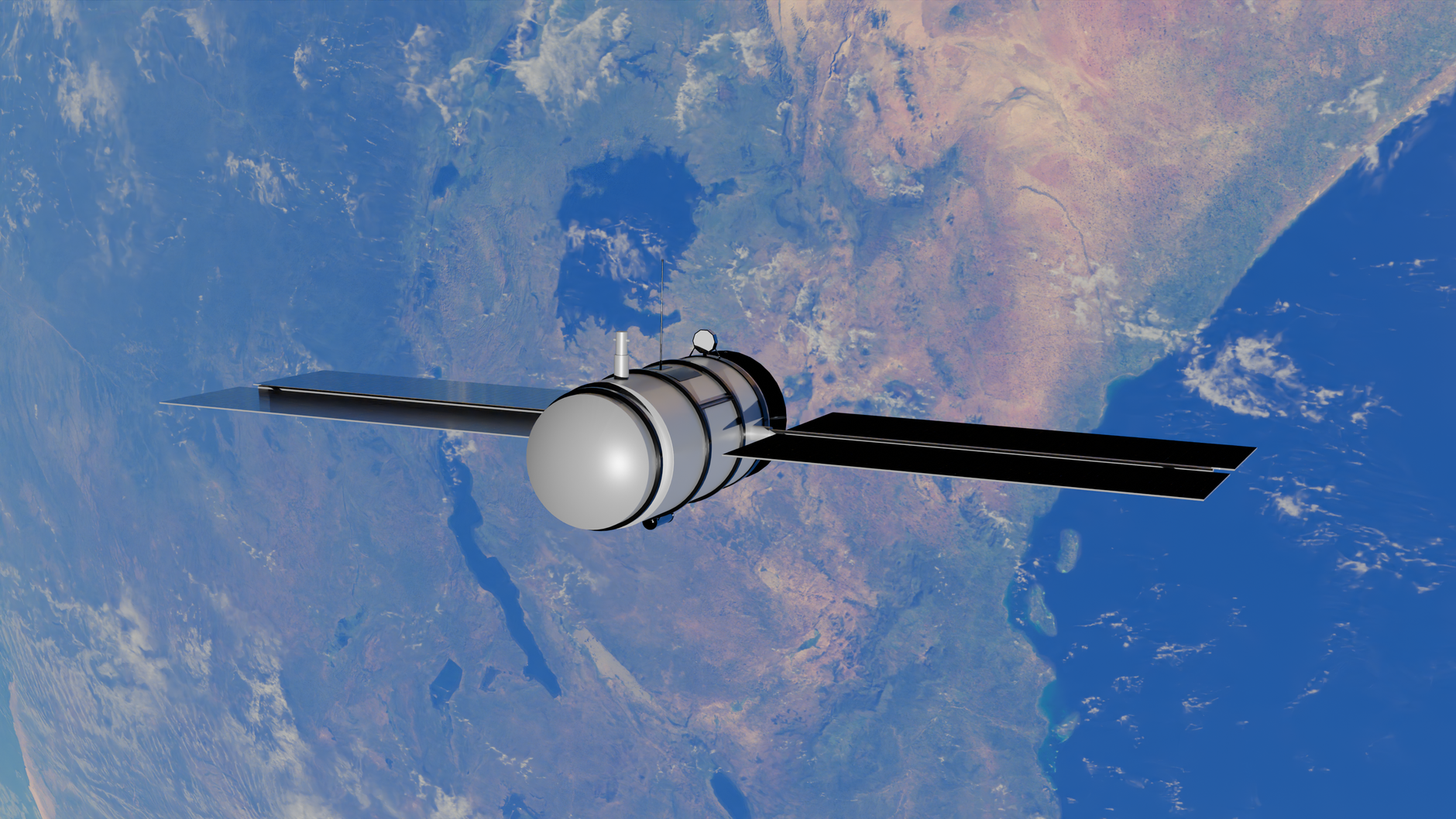
AST SpaceMobile satellites are set to change everything in the space industry. With the launch of the next 30 satellites, the potential for global connectivity is unprecedented.
What is AST SpaceMobile?
AST SpaceMobile is a pioneering telecommunications company focused on providing mobile broadband services through its innovative satellite technology. The company aims to bridge the connectivity gap in underserved and remote areas by deploying a constellation of satellites that can deliver high-speed data services directly to mobile devices. This approach is set to revolutionize the way people access the internet, particularly in regions where traditional infrastructure is lacking.
The core of AST SpaceMobile’s strategy is its unique satellite technology, which allows for seamless communication between satellites and standard mobile phones without the need for specialized equipment. This capability marks a significant advancement in satellite communication, making it easier for users to stay connected anywhere on the globe.
AST SpaceMobile plans to launch a total of 30 satellites, with each one playing a crucial role in expanding its coverage and enhancing service reliability. The company is currently in the process of deploying these satellites, which are designed to operate in low Earth orbit (LEO) for optimal performance.
With its ambitious plans, AST SpaceMobile aims to not only provide enhanced connectivity but also to create a more inclusive digital landscape, ensuring that everyone, regardless of their location, can access the internet. As the deployment progresses, the potential impact of AST SpaceMobile satellites will be closely watched by industry experts and consumers alike.
The significance of the next 30 satellites
The launch of the next 30 AST SpaceMobile satellites marks a pivotal moment in the evolution of global communication. These satellites are designed to enhance connectivity in even the most remote areas, bridging the digital divide that has plagued many communities around the world.
With the introduction of these satellites, AST SpaceMobile aims to provide reliable and high-speed internet access to regions where traditional infrastructure is lacking. This initiative is critical for several reasons:
- Global Connectivity: The deployment of these satellites signifies a step towards universal internet access, enabling millions of people to connect to the digital world.
- Emergency Response: In times of natural disasters or crises, the AST SpaceMobile satellites can facilitate communication and coordination, potentially saving lives.
- Economic Growth: Improved internet access can drive economic opportunities, allowing businesses in underserved areas to thrive and innovate.
- Technological Advancement: The next generation of AST SpaceMobile satellites incorporates cutting-edge technology that can enhance the performance and efficiency of satellite communications.
As these satellites are launched, the implications for industries ranging from telehealth to education are profound. The AST SpaceMobile satellites are not just a technological advancement; they represent hope for millions seeking reliable internet access.
How AST SpaceMobile plans to revolutionize connectivity
AST SpaceMobile aims to revolutionize connectivity by deploying its innovative satellites designed to provide seamless mobile broadband services across the globe. By utilizing a unique architecture, AST SpaceMobile satellites will enable direct-to-device communication, eliminating the need for ground stations and enhancing service availability, especially in underserved areas.
One of the key strategies behind AST SpaceMobile’s revolutionary approach is:
- Global Coverage: The satellites are designed to cover vast regions, including rural and remote locations where traditional cellular networks are often absent.
- High-Speed Internet: With their advanced technology, AST SpaceMobile satellites promise to deliver high-speed internet comparable to existing terrestrial networks.
- Cost-Effective Solutions: By minimizing infrastructure costs associated with ground stations, AST SpaceMobile can offer competitive pricing for consumers and businesses alike.
- Partnerships with Telecoms: The company plans to collaborate with mobile network operators, allowing for a seamless integration of satellite connectivity into existing mobile services.
The deployment of these satellites is set to significantly enhance global communications, making it possible for users in even the most isolated areas to access reliable mobile services. As AST SpaceMobile continues its mission, the world may soon witness a dramatic shift in how we connect and communicate.
Challenges faced by AST SpaceMobile
Despite the ambitious vision behind AST SpaceMobile satellites, the company faces several significant challenges that could hinder its progress.
- Technical Hurdles: The integration of satellite technology with existing cellular networks is complex. AST SpaceMobile satellites must ensure seamless connectivity for users, which poses a significant engineering challenge.
- Regulatory Approvals: Gaining the necessary regulatory clearances across various countries is a time-consuming process. Different nations have varying requirements for satellite operations, which can delay deployment.
- Funding and Investment: While AST SpaceMobile has secured funding, sustaining investment levels will be crucial as the project progresses. Investors may be wary of the long timelines often associated with satellite projects.
- Market Competition: The telecommunications sector is highly competitive. Established players may react aggressively to the introduction of AST SpaceMobile satellites, potentially creating barriers to entry.
- Technological Reliability: The company must demonstrate that its satellites can deliver consistent and reliable service. Any failure in this regard could damage credibility and market acceptance.
These challenges underscore the complexities involved in launching a new satellite network aimed at global connectivity. AST SpaceMobile’s success will depend on overcoming these obstacles effectively.
Comparing AST SpaceMobile to traditional satellite systems
When evaluating the effectiveness of AST SpaceMobile satellites against traditional satellite systems, several factors come into play that may influence their overall performance and usability.
One of the key advantages of AST SpaceMobile satellites is their ability to provide direct cellular connectivity to mobile devices. This stands in contrast to traditional satellite systems, which often require specialized equipment and may not connect directly to standard smartphones. The implications for accessibility are significant, as AST SpaceMobile aims to reach underserved areas where conventional internet infrastructure is lacking.
Furthermore, traditional satellites typically orbit at much higher altitudes, leading to increased latency in communication. In comparison, AST SpaceMobile satellites are designed to operate in lower orbits, potentially reducing latency and improving service quality for users. However, this approach does come with challenges, such as maintaining a stable connection with ground stations.
Another point of comparison is the cost of deployment and maintenance. AST SpaceMobile’s approach may offer a more scalable solution, as it seeks to leverage existing cellular networks rather than build an entirely new system from the ground up. This could lead to lower costs for consumers and service providers alike.
In summary, while traditional satellite systems have established reliability, AST SpaceMobile satellites present a compelling alternative that could redefine connectivity in a rapidly evolving digital landscape.
Future prospects for AST SpaceMobile technology
As AST SpaceMobile continues to develop its satellite technology, the future prospects for its satellites appear promising. The company is committed to launching a new constellation of satellites designed to enhance global connectivity, particularly in underserved regions. This innovative approach could change the way people access mobile networks, bridging the gap between urban and rural connectivity.
One of the most exciting aspects of AST SpaceMobile satellites is their potential to provide high-speed internet access directly to mobile phones, eliminating the need for specialized equipment. This could significantly reduce costs for consumers and increase accessibility. Furthermore, the satellites are designed to work alongside existing cellular infrastructure, enhancing overall network performance.
However, the company faces significant challenges as it moves forward. Some of these include regulatory hurdles, competition from established satellite providers, and the technical complexities involved in deploying and maintaining a global satellite network. Despite these obstacles, the vision behind AST SpaceMobile technology aligns with the increasing demand for reliable connectivity in an increasingly digital world.
In summary, while there are hurdles to overcome, the future of AST SpaceMobile satellites holds great potential. If successful, they could become a pivotal solution in the quest for universal connectivity, transforming how millions of people access mobile services.
Expert opinions on AST SpaceMobile’s impact
Experts have been weighing in on the potential impact of AST SpaceMobile satellites on global connectivity. Many believe that the introduction of these satellites could significantly change the telecommunications landscape, especially in underserved areas.
According to Dr. Emily Carter, a telecommunications analyst, “AST SpaceMobile satellites represent a breakthrough in providing internet access to remote locations.” She emphasizes that the ability to connect directly to mobile devices without the need for ground infrastructure is a game changer.
Another expert, Professor James Lin, highlights the environmental implications. “While the technology promises improved connectivity, we must also consider the sustainability of deploying numerous satellites into orbit,” he noted. The long-term effects on space debris and the orbital environment are concerns that must be addressed.
Industry veteran Sarah Thompson echoed these sentiments, stating, “The success of AST SpaceMobile satellites will depend not only on their technical capabilities but also on how they are integrated into existing systems.” She suggests that collaboration with traditional providers could enhance their effectiveness.
In summary, while AST SpaceMobile satellites are hailed for their innovative approach to connectivity, experts stress the importance of a balanced perspective that considers both their transformative potential and the challenges ahead.
Photo by Zelch Csaba on Pexels