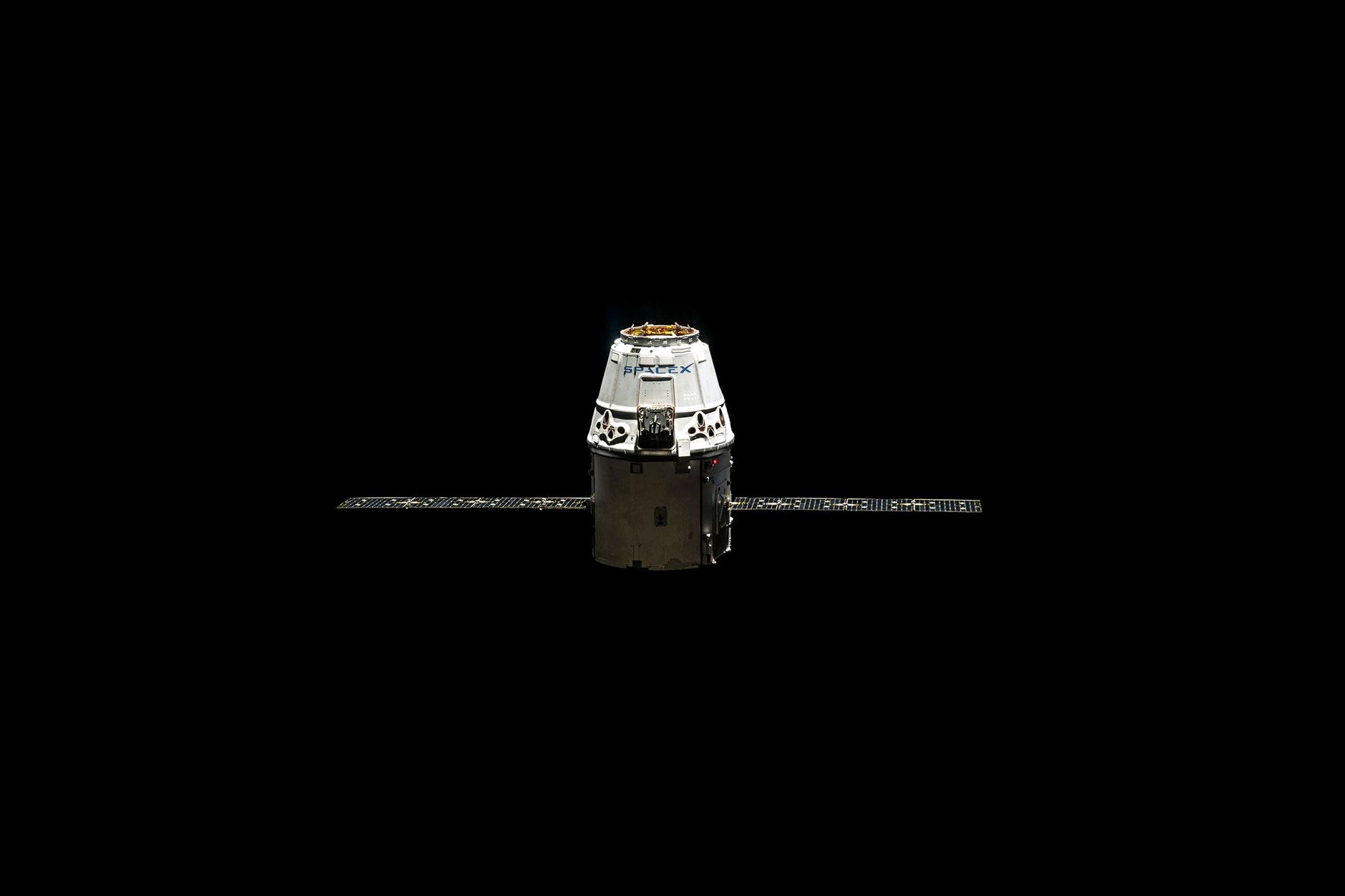
The Shenzhou-24 launch has successfully taken place, marking a significant milestone in space exploration with the first foreign astronaut aboard.
Overview of Shenzhou-24 Launch
The Shenzhou-24 launch marks a significant milestone in China’s expanding space ambitions. Launched on October 20, 2023, the mission carries a diverse crew, including the first foreign astronaut, a Pakistani Air Force pilot, to venture to the Tiangong space station. This event underscores China’s growing international collaborations in space exploration.
The spacecraft, Shenzhou-24, is part of China’s plan to develop a fully operational space station by 2024. The mission aims to conduct scientific experiments, technology demonstrations, and international cooperation activities in low Earth orbit.
Key highlights of the Shenzhou-24 mission include:
- International Collaboration: The inclusion of a foreign astronaut showcases China’s willingness to engage with international partners in space exploration.
- Technological Advancements: The mission utilizes cutting-edge technology, enhancing the capabilities of the Shenzhou spacecraft.
- Scientific Research: Astronauts will conduct various experiments that could lead to breakthroughs in fields such as medicine and materials science.
As the Shenzhou-24 launch unfolds, it reflects not only China’s technological prowess but also its intent to establish a stronger presence in the global space community. Observers are keenly watching how this mission will impact future international collaborations and advancements in space exploration.
Significance of the First Foreign Astronaut
The recent Shenzhou-24 launch marks a significant milestone in international space collaboration, as it features the first foreign astronaut to join a mission aboard China’s Tiangong space station. This development is not only a testament to China’s growing capabilities in space exploration but also highlights the importance of global partnerships in advancing scientific research and technology.
Having an astronaut from the Pakistani Air Force aboard the Shenzhou-24 mission symbolizes a breakthrough in diplomatic relations and cooperation between China and Pakistan. This collaboration is expected to enhance mutual understanding and pave the way for future joint ventures in space exploration.
Moreover, the inclusion of a foreign astronaut emphasizes the shift in space dynamics, where nations are increasingly collaborating rather than competing. The mission aims to conduct various scientific experiments and technological demonstrations, showcasing the potential benefits of international teamwork in achieving common goals.
Key aspects of the significance of this mission include:
- Strengthening bilateral ties: The mission demonstrates how space exploration can bridge gaps between nations.
- Enhancing scientific collaboration: Joint missions can lead to more comprehensive scientific discoveries.
- Encouraging diversity in space programs: Inclusion of international astronauts fosters a more inclusive approach to space exploration.
Overall, the Shenzhou-24 launch serves as a stepping stone towards a more cooperative future in space endeavors.
What to Expect from Tiangong
The Shenzhou-24 launch marks a significant milestone in China’s ambitious space program, particularly with the continued development of the Tiangong space station. As the mission unfolds, there are several key aspects to watch that highlight the importance of Tiangong in the realm of international space exploration.
First, the presence of the Pakistani Air Force pilot aboard this mission underscores China’s commitment to international collaboration in space. The inclusion of a foreign astronaut symbolizes a shift towards a more cooperative global approach to space exploration, which is a critical step for future missions.
Moreover, the crew aboard Shenzhou-24 will conduct various scientific experiments that focus on human adaptability in space. This research is vital for understanding how long-duration missions can affect the human body, paving the way for future endeavors to Mars and beyond.
Additionally, the Tiangong station will serve as a platform for technological advancements in orbit. It will facilitate experiments in microgravity that can lead to breakthroughs in materials science, medicine, and other fields.
Finally, the mission provides an opportunity to showcase China’s growing capabilities in space technology and its potential to lead in international space collaboration. The outcomes of this launch could have lasting implications for the future of space exploration worldwide.
Mission Objectives and Goals
The Shenzhou-24 launch marks a significant milestone in China’s space exploration efforts, with several key objectives and goals that make this mission particularly noteworthy. First and foremost, the mission aims to enhance the operational capabilities of the Tiangong space station, as teams aboard will conduct critical maintenance and upgrades to the facility.
Another primary objective is the scientific research that will be undertaken during the mission. Crew members will engage in a variety of experiments, ranging from biological studies to materials science, which could yield breakthroughs with far-reaching implications. The inclusion of a foreign astronaut also aims to foster international collaboration in space exploration, showcasing China’s commitment to working with other nations.
Furthermore, the Shenzhou-24 launch serves as a platform for testing new technologies that could be crucial for future missions. This includes advanced life support systems and autonomous docking procedures that are vital for long-duration space travel.
Lastly, the mission seeks to inspire the next generation of scientists and engineers. By achieving these objectives, the Shenzhou-24 mission not only contributes to the scientific community but also strengthens China’s position in the global space arena.
Overall, the Shenzhou-24 launch is not just a routine mission; it encapsulates a broader vision for future space exploration and international cooperation.
Reactions from the Space Community
The successful launch of Shenzhou-24 has sparked a wave of excitement and intrigue throughout the global space community. Experts and enthusiasts alike are closely monitoring this mission, particularly due to the inclusion of the first foreign astronaut on board, a Pakistani Air Force pilot. This unprecedented decision reflects China’s growing international collaboration in space exploration.
Many space analysts have expressed admiration for the technological advancements showcased in the Shenzhou-24 launch. Dr. Emily Carter, a prominent aerospace engineer, stated, “The integration of a foreign astronaut in the Tiangong program signifies a new era of international cooperation in space. It is a monumental step for China’s space ambitions.”
Additionally, social media platforms are buzzing with reactions from space enthusiasts. Users are sharing their thoughts on the implications of the Shenzhou-24 mission, with many emphasizing the potential for greater collaboration among nations in future missions. Some have even pointed out that this launch could inspire a new generation of astronauts.
Moreover, educational institutions are taking note of the event, incorporating discussions about the Shenzhou-24 launch into their curricula. Professor Alan Liu from the International Space Institute remarked, “This mission not only enhances our understanding of space but also encourages students to dream big and aim for the stars.”
As the mission progresses, the eyes of the world will remain fixed on Shenzhou-24, anticipating its impact on the future of space exploration.
Future of International Space Missions
The future of international space missions is increasingly becoming a collaborative effort, and the Shenzhou-24 launch is a notable example of this trend. As nations strive to explore beyond Earth, partnerships are becoming essential to share resources, knowledge, and technology.
Several key factors are shaping the future of these missions:
- Increased Collaboration: Countries are recognizing the advantages of working together. The inclusion of the first foreign astronaut on the Shenzhou-24 mission highlights China’s commitment to international cooperation in space exploration.
- Technological Advancements: Continuous innovation in aerospace technology makes missions like Shenzhou-24 more feasible and efficient. Improved spacecraft design and communication systems enhance overall mission success.
- Sustainable Practices: As space agencies emphasize sustainability, future missions will focus on minimizing environmental impact. This includes responsible usage of resources and developing technologies to support long-term habitation in space.
- Global Participation: With space becoming more accessible, emerging space-faring nations are eager to contribute. The Shenzhou-24 launch exemplifies how diverse participation can enrich the space exploration landscape.
In conclusion, the Shenzhou-24 launch is not just a milestone for China but a stepping stone towards a future where international collaboration in space missions becomes the norm, paving the way for ambitious endeavors beyond our planet.
Conclusion and Key Takeaways
The successful launch of Shenzhou-24 marks a pivotal moment in the realm of international space exploration. This mission not only highlights China’s advancements in space technology but also sets the stage for collaboration among nations. With the inclusion of the first foreign astronaut, the Pakistani Air Force pilot, this launch signifies a shift towards a more inclusive approach to space travel.
Key takeaways from the Shenzhou-24 launch include:
- International Collaboration: The integration of a foreign astronaut into the mission underscores the potential for future joint endeavors in space exploration.
- Technological Advancements: The mission showcases China’s growing capabilities in developing and operating space stations, paving the way for more complex missions.
- Scientific Research Opportunities: The Tiangong space station will provide a platform for a range of scientific experiments, benefiting not just participating nations but humanity as a whole.
- Inspiration for Future Generations: The involvement of international astronauts can inspire a new generation of scientists and engineers to pursue careers in space and beyond.
As the Shenzhou-24 mission unfolds, it will undoubtedly influence the future of international space missions, fostering a spirit of collaboration that could lead to unprecedented discoveries and advancements. The world watches with anticipation as the mission progresses, hoping for a successful operation and fruitful outcomes.