

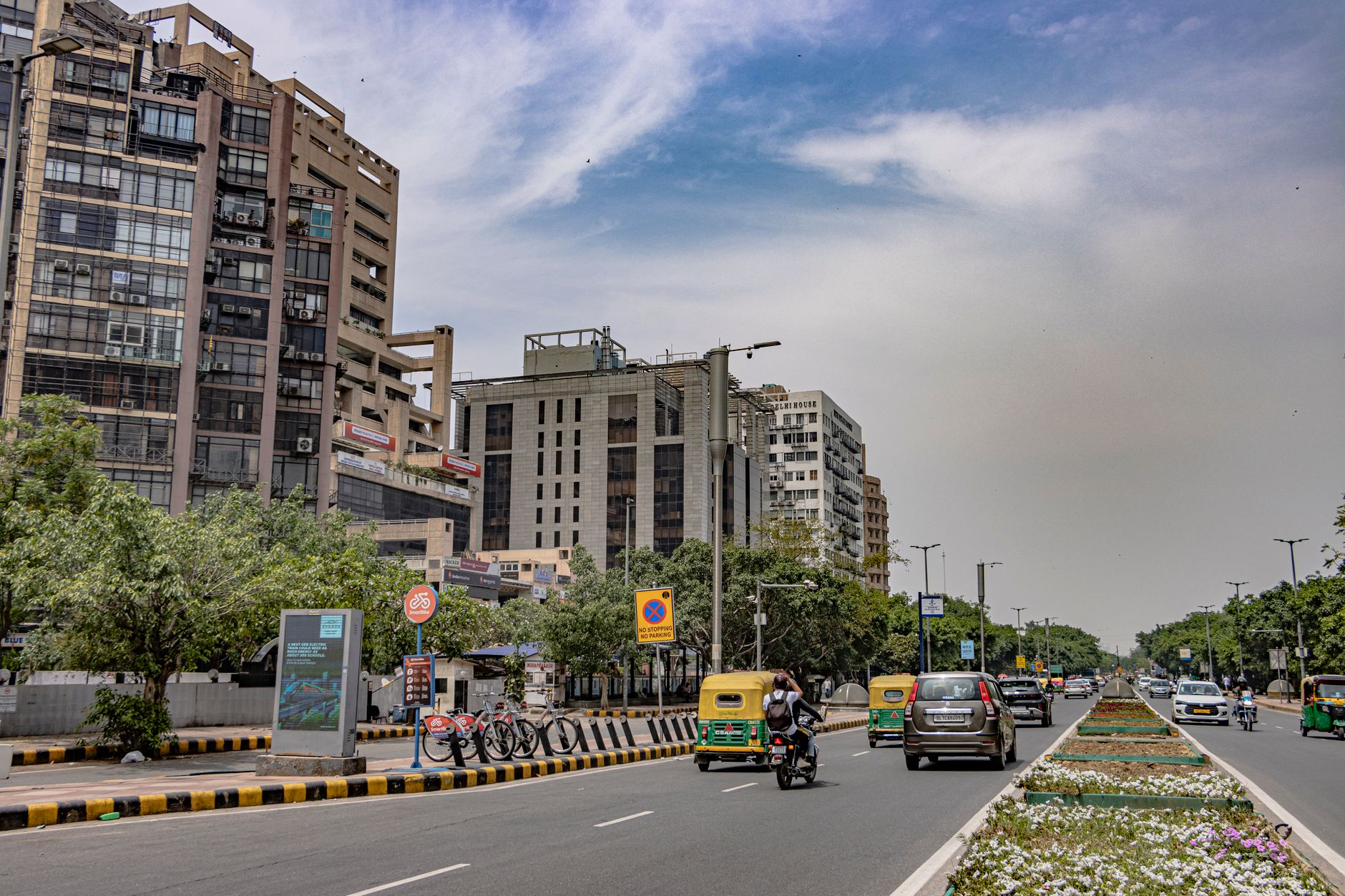
Delhi startup policy 2026 aims to support over 10,000 startups, fostering innovation and job creation in the capital. The initiative promises to generate 4 lakh jobs, enhancing the entrepreneurial landscape.
Overview of the Delhi Startup Policy 2026
The Delhi startup policy 2026 has been introduced with ambitious goals to transform the capital’s entrepreneurial landscape. This policy aims to provide comprehensive support for startups, ensuring a conducive environment for innovation and growth.
Minister Ashish Sood highlighted that the policy is designed to support over 10,000 startups in Delhi, fostering a vibrant startup ecosystem. The initiative is part of a broader strategy to generate approximately 4 lakh jobs in the region, addressing the pressing need for employment opportunities.
Key features of the Delhi startup policy 2026 include:
- Financial Support: Startups will receive access to various funding options, including grants and seed capital.
- Mentorship Programs: The policy emphasizes connecting entrepreneurs with experienced mentors to guide them through the startup journey.
- Infrastructure Development: Dedicated spaces for startups will be established, providing the necessary facilities and resources.
- Networking Opportunities: Regular events and workshops will be organized to facilitate collaboration among startups, investors, and industry leaders.
This comprehensive approach aims to position Delhi as a leading hub for innovation, ultimately contributing to the city’s economic growth and development.
Key Features of the New Policy
The Delhi startup policy 2026 introduces several key features designed to bolster the startup ecosystem in the capital. These initiatives aim to create a supportive environment for entrepreneurs and foster innovation.
- Financial Assistance: The policy includes provisions for grants, seed funding, and venture capital support to help startups during their crucial early stages.
- Incubation Centers: Setting up dedicated incubation centers across the city to provide startups with essential resources, mentorship, and networking opportunities.
- Skill Development Programs: The initiative emphasizes skill enhancement through workshops and training sessions, ensuring that the workforce is equipped with the necessary skills to thrive in the startup environment.
- Tax Incentives: Startups will benefit from various tax exemptions and concessions, aimed at reducing the financial burden and encouraging growth.
- Collaboration with Educational Institutions: The policy encourages partnerships between startups and universities to promote research and innovation, fostering a culture of entrepreneurship among students.
- Regulatory Simplification: Efforts to streamline the regulatory framework will ease the process of starting and running a business, allowing entrepreneurs to focus on their core operations.
These features collectively reflect the government’s commitment to enhancing the startup landscape, ultimately supporting over 10,000 startups and creating 4 lakh jobs in the coming years.
Impact on Job Creation in Delhi
The Delhi startup policy 2026 is poised to make a significant impact on job creation within the city. With its ambitious goal of supporting over 10,000 startups, the policy is expected to generate approximately 4 lakh jobs, as stated by Minister Ashish Sood. This initiative not only aims to foster innovation but also to enhance the overall economic landscape of Delhi.
Startups play a crucial role in job creation, often leading to the development of new industries and markets. The Delhi startup policy 2026 focuses on providing the necessary resources and support for emerging businesses, which in turn can lead to increased employment opportunities. Key aspects of the policy include:
- Financial Assistance: Access to funding through various schemes to help startups scale their operations.
- Mentorship Programs: Guidance from industry experts to nurture talent and improve business strategies.
- Networking Opportunities: Platforms for startups to connect with investors and potential partners.
- Skill Development: Training programs designed to equip the workforce with relevant skills needed in the evolving job market.
As the Delhi startup policy 2026 unfolds, its potential to reshape the job market and stimulate economic growth will be closely monitored by stakeholders and entrepreneurs alike.
Minister Ashish Sood’s Vision
Minister Ashish Sood has articulated a compelling vision for the Delhi startup policy 2026, emphasizing the need for a robust ecosystem that nurtures innovation and entrepreneurship. His approach centers on creating an environment where startups can thrive, supported by proactive government initiatives and strategic partnerships.
In his recent address, Sood highlighted several key elements that will define the success of this policy:
- Financial Support: The policy aims to provide accessible funding options for startups through grants and subsidies, ensuring that financial constraints do not hinder innovation.
- Mentorship Programs: By connecting budding entrepreneurs with experienced mentors, the policy seeks to foster knowledge sharing and guidance in navigating the complexities of starting a business.
- Infrastructure Development: Investment in state-of-the-art infrastructure will be prioritized, creating coworking spaces and innovation hubs that facilitate collaboration among startups.
- Networking Opportunities: The policy plans to organize regular events and workshops, enhancing networking among startups, investors, and industry experts.
Ultimately, Sood’s vision is to position Delhi as a leading startup hub in India, aiming to support over 10,000 startups and create approximately 4 lakh jobs by 2026. This ambitious target underscores the government’s commitment to fostering a vibrant entrepreneurial landscape.
Challenges for Startups in 2026
Despite the promising outlook presented by the Delhi startup policy 2026, various challenges persist for startups in the region. These obstacles can hinder the growth and sustainability of new ventures, making it essential for entrepreneurs to navigate the complexities of the startup ecosystem.
Some of the primary challenges include:
- Access to Funding: Many startups struggle to secure adequate financial backing. Traditional funding sources may be limited, and alternative options, such as venture capital, often come with stringent requirements.
- Regulatory Hurdles: Navigating the regulatory landscape can be a daunting task for new businesses. Compliance with various local and national regulations may deter startups from fully realizing their potential.
- Market Competition: The startup scene in Delhi is rapidly growing, leading to fierce competition. New entrants often find it challenging to differentiate themselves and attract customers amidst an influx of similar offerings.
- Talent Acquisition: While the policy aims to create jobs, attracting skilled talent remains a significant hurdle. Startups may struggle to compete with established companies that offer better packages and job security.
Addressing these challenges is crucial for the success of the Delhi startup policy 2026 and the future of innovation in the capital.
Future of Entrepreneurship in India
The future of entrepreneurship in India looks promising as the Delhi startup policy 2026 lays a strong foundation for innovation and growth. With the government’s commitment to support over 10,000 startups, the policy aims to create a vibrant ecosystem that fosters creativity and business development.
Entrepreneurs in Delhi can expect a range of initiatives designed to alleviate common challenges faced by startups. These include:
- Financial Support: Access to funding through grants and venture capital to ensure startups have the resources needed to thrive.
- Mentorship Programs: Establishing connections with industry veterans who can provide guidance and insights to new entrepreneurs.
- Infrastructure Development: Creating co-working spaces and innovation hubs that offer affordable resources for startups.
- Networking Opportunities: Organizing events and workshops to connect entrepreneurs with potential investors and collaborators.
As the policy unfolds, it is expected to not only bolster the startup ecosystem in Delhi but also inspire similar initiatives across the country. The focus on nurturing startups reflects a growing recognition of their role in driving economic growth and job creation in India.
By supporting innovation, the Delhi startup policy 2026 positions the capital as a hub for entrepreneurship, paving the way for a dynamic future in the business landscape.
Conclusion on the Delhi Startup Policy
In conclusion, the Delhi startup policy 2026 stands as a significant milestone in the government’s efforts to foster innovation and entrepreneurship in the region. By aiming to support over 10,000 startups and create approximately 4 lakh jobs, the policy reflects a robust commitment to enhancing the startup ecosystem.
Through its various initiatives, including financial aid, mentorship programs, and regulatory support, the policy is designed to tackle the challenges faced by emerging businesses. This comprehensive approach not only encourages new ventures but also positions Delhi as a leading hub for innovation in India.
Moreover, the vision articulated by Minister Ashish Sood emphasizes collaboration between government and industry stakeholders, which is crucial for sustainable growth. While challenges remain—such as access to funding and market competition—the proactive measures outlined in the Delhi startup policy 2026 aim to mitigate these issues effectively.
Ultimately, the success of this policy will depend on continuous monitoring and adaptation to the dynamic needs of the startup ecosystem. If executed effectively, the Delhi startup policy 2026 could serve as a model for other states, paving the way for a vibrant entrepreneurial landscape that not only benefits local economies but also contributes to the overall growth of India as a startup nation.
Photo by Shantum Singh on Pexels
Sources
Paid Summer Research Fellowship: Best Proven Opportunities · Weighing Growth Against Margin Pressure In This Financier · De uitgebreide gids voor het verstaan van het poker online ecosysteem